Monster Hunter Wilds: Capcom’s Stance on Modding Ignites Community Firestorm
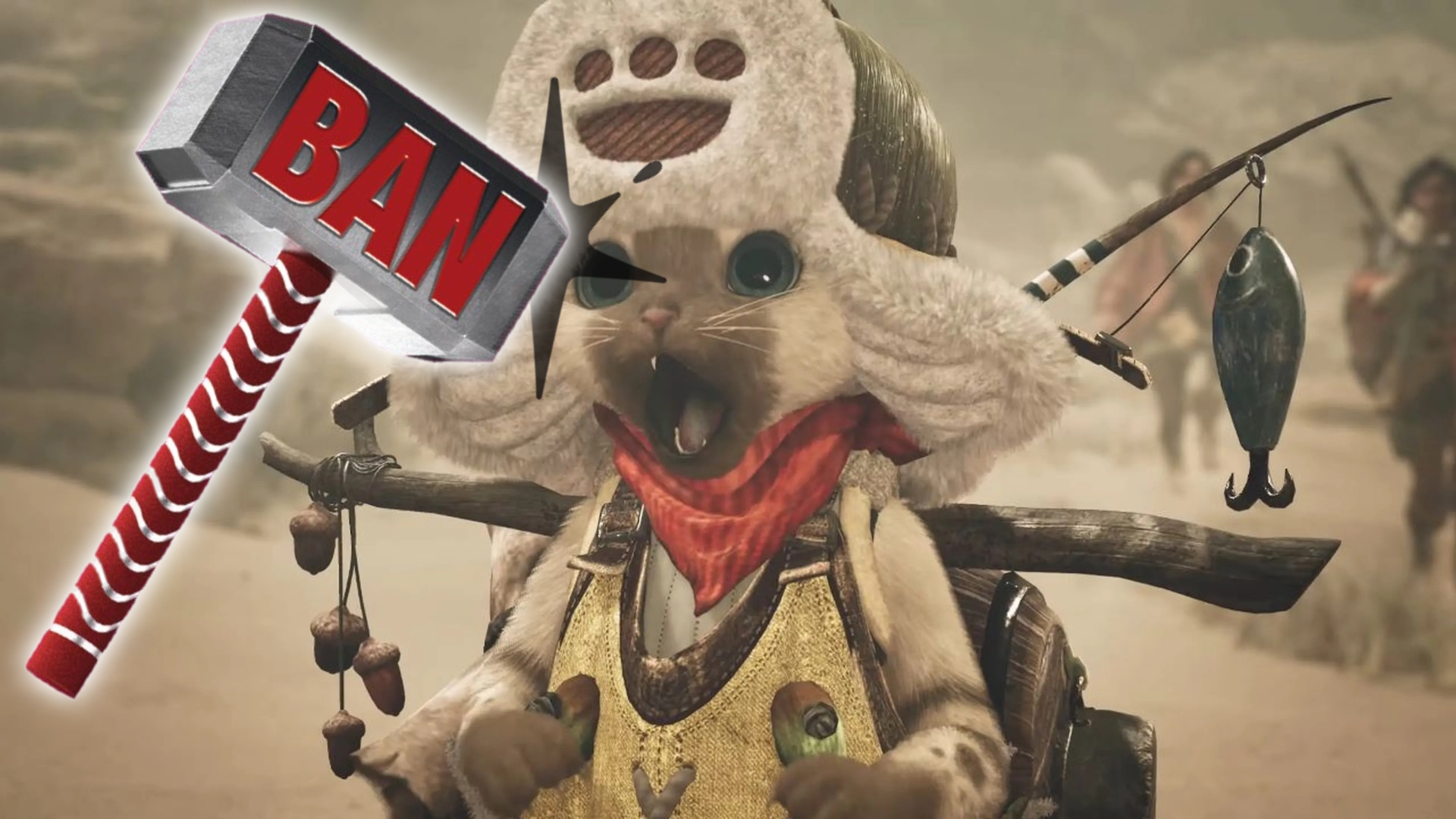
The highly anticipated release of Monster Hunter Wilds has been met with both widespread acclaim and a significant controversy that has sent shockwaves through its dedicated community. Capcom, the developer behind the record-breaking title, has initiated a series of account suspensions targeting PC players who have used unauthorized mods. This aggressive enforcement, particularly against those unlocking pre-release content or paid DLC, has sparked a heated debate regarding player freedom, developer rights, and the very nature of modding in modern online games. The central issue revolves around Capcom's firm stance to monster ban player accounts, drawing a clear line in the sand against specific types of modifications.
For years, modding has been an integral part of the PC gaming experience, offering everything from minor quality-of-life improvements to expansive new content. However, in the realm of always-online multiplayer games like Monster Hunter Wilds, the boundaries become far more complex. Capcom’s recent actions underscore a growing trend among developers to exert tighter control over the game environment, especially when it impacts monetization strategies or the curated release schedule of new content. This isn't just about cheating; it's about unauthorized access and the potential undermining of future game updates and revenue streams.
The Genesis of the Bans: Unauthorized Content Access
The catalyst for Capcom’s crackdown came shortly after the launch of Title Update 1 for Monster Hunter Wilds. PC players, known for their ability to delve into game files, discovered and subsequently utilized mods to unlock content that was present in the game's code but not yet officially released or accessible to the public. This included upcoming event items and specific armor sets intended for later deployment. By bypassing the intended release schedule, these players effectively gained early access to content that Capcom plans to roll out incrementally, likely tied to future events or updates.
What Content is Triggering Bans?
The primary targets of these suspensions appear to be mods that grant access to two specific categories of content:
- Unreleased Event Equipment: Players were found to be using mods to unlock items like the "Sakura Event Equipment & Scarf" and the "Arch-Tempered Rey Dau Armor" long before their official in-game availability. This preemptive access directly conflicts with Capcom's content release strategy, which often uses timed events and challenges to keep players engaged over the game's lifecycle.
- Paid Cosmetic DLC: Perhaps even more contentious are the bans related to mods that unlock paid cosmetic DLC. In one prominent case, a Chinese player of Monster Hunter Wilds faced a permanent ban after admitting to using a "DLC unlock" mod. This particular mod allowed access to items typically part of the Monster Hunter Wilds Cosmetic DLC Pass, which carries a significant price tag of $49.99. The immediate impact here is clear: direct revenue loss for Capcom.
Capcom views the unauthorized acquisition or use of such unreleased or unpaid content as a direct violation of their terms of agreement. They have made it clear that they are actively seeking out and punishing accounts engaged in this misconduct, indicating that these suspensions are far from random.
Capcom's Stance and Enforcement Mechanisms
In an official statement, Capcom reiterated its commitment to creating a "safe, fair, and enjoyable experience for all Monster Hunter Wilds players." Their actions are framed as a necessary measure to uphold these principles. The company has stated it would not respond to individual inquiries regarding bans, strongly suggesting that these account suspensions are permanent and irreversible, a severe consequence for any dedicated player.
The enforcement isn't just through manual checks. Capcom is reportedly verifying this unauthorized use with its own internal tools. Furthermore, the developer has encouraged players to report others they see using these types of mods to unlock content early, effectively deputizing the community in their enforcement efforts. Given that most sophisticated mods are typically a PC phenomenon, this crackdown is predominantly aimed at the PC platform.
This situation serves as a stark reminder for players to understand the risks, especially when considering MHW mod bans explained: unlocking early gear & DLC risks accounts and potential permanent consequences.
The Community's Divided Response
The news of widespread player bans for modding has predictably fractured the Monster Hunter Wilds community. While some players vehemently agree with Capcom's decision, seeing it as a necessary step to maintain game integrity and fairness, others are expressing outrage, calling the bans "theft" and questioning the ethics of permanently removing access to a game that players have legitimately purchased.
"Theft" vs. "Fair Play": A Deep Dive into Player Perspectives
-
The Pro-Ban Argument: Fair Play and Developer Rights
Supporters of Capcom’s policy emphasize the importance of a level playing field. Unlocking content early, especially paid DLC, gives players an unfair advantage or access to something without payment, directly impacting the developer's revenue. They argue that mods that interfere with the game's intended progression, monetization, or content release schedule cross a line. From this perspective, players who violate the Terms of Service should face the consequences, especially when those actions could harm the game's long-term viability or the enjoyment of other players.
-
The Anti-Ban Argument: Player Ownership and Modding Culture
Opponents of the bans argue that once a player buys a game, they should have more control over their experience, especially in a predominantly PvE (Player vs. Environment) title where mods might not directly harm other players' gameplay. They highlight modding as a cherished aspect of PC gaming culture, enhancing longevity and customization. For these players, being permanently banned and losing access to a purchased game feels like an extreme and disproportionate punishment, akin to digital "theft" of their investment. The idea that cosmetic mods, even if they unlock DLC, should result in a permanent ban, seems excessive to some.
The debate highlights a fundamental tension between player expectations of digital ownership and developer control over their intellectual property and service offerings. The specifics of the bans – targeting content-unlocking mods rather than purely cosmetic or quality-of-life enhancements – are crucial in understanding this nuanced discussion. It's not *all* mods, but specific types that challenge Capcom's revenue and content strategy.
Navigating the Modding Landscape: Risks and Responsibilities
For players considering modding Monster Hunter Wilds or any online game, the current situation serves as a critical cautionary tale. While the allure of customization and early access can be strong, the risks are significant and can lead to permanent loss of access to your game and account.
Practical Advice for Monster Hunter Wilds Players
- Understand the Terms of Service (ToS): Before installing any mod, especially in an online game, always review the developer's Terms of Service. This is the legal agreement you enter into when playing the game, and it explicitly outlines what is and isn't permitted. Violations, even if unintentional, can lead to severe penalties.
- Distinguish Mod Types: Not all mods are created equal. Purely cosmetic mods that don't unlock unreleased content or alter gameplay in competitive ways are generally less risky than those that do. Mods that provide quality-of-life improvements (e.g., UI enhancements, less intrusive effects) are often tolerated, but mods that give you an unfair advantage or access to paid/unreleased content are almost universally against ToS and will be targeted.
- Avoid Public Display of Illicit Mods: The Chinese player's ban highlighted that being "too bold" or visible with unauthorized content (like sending an SOS Flare in public lobbies with unlocked DLC armor) significantly increases the risk of being reported by other players. Even if a mod isn't immediately detected by anti-cheat, community reporting can still lead to a ban.
- Exercise Caution with New Games: When a game is new, developers are often most vigilant about protecting their content and revenue streams. Modding a newly released online title carries a higher risk than modding an older, single-player game.
- Assume Bans are Permanent: Capcom's refusal to engage in individual ban inquiries suggests that these bans are intended to be permanent and irreversible. Players should factor this ultimate consequence into their decision-making process regarding mod use.
The ongoing debate surrounding the monster ban player controversy in Monster Hunter Wilds underscores the evolving landscape of digital rights and ownership in gaming. As games become more interconnected and revenue models diversify, the tension between developer control and player freedom is likely to intensify.
Conclusion
Capcom's decisive action to ban Monster Hunter Wilds players for using mods to unlock unreleased or paid content marks a significant moment in the game's early life cycle. While some players decry the move as an overreach, many others support the developer's right to protect its intellectual property and maintain a fair playing environment. The incident serves as a crucial reminder for the modding community that while customization is often embraced, directly undermining a game's content roadmap or monetization strategy carries substantial and potentially permanent risks. As the discussion continues, players must weigh the immediate gratification of unauthorized access against the long-term enjoyment of their game accounts, understanding that in the eyes of Capcom, specific types of modding cross a line that will lead to severe consequences.